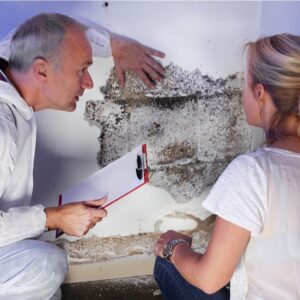
That’s why it is essential to investigate the presence of mold or mildew to prevent future problems. Although seeking professional help is the best course of action, you must determine whether your apartment has an active mold infestation.
7 Signs that help you test for mold in your apartment?
Table of Contents
An apartment is your personal space that provides a healthy, comfortable living space. If your apartment compromises your health or comfort, act immediately. Regular coughing, sneezing, or allergies may indicate polluted air caused by mold and mildew. Mold is present in the atmosphere naturally in small quantities. But if these molds exceed normal levels, they can damage health and property.
That’s why it is essential to investigate for the presence of mold or mildew to prevent future problems. Although seeking professional help is the best course of action, you must determine whether your apartment has active mold growth.
What is the big deal about mold testing?
Most people overlook minor signs of mold infestation in the initial stages. Once mold has spread throughout the apartment, residents realize that the air quality has severely deteriorated and that immediate action is needed. Like other toxins, mycotoxins from certain molds remain in the air. These mycotoxins harm air quality. Molds grow on furniture, indoor surfaces, sinks, pipes and doors. It is always better to take preliminary steps to prevent negative aftereffects that molds can cause to you and your environment.
Here are seven early signs of dense mold growth on your property. Keep a check on these mold essentials, and you will know when to take emergency steps.
Allergic symptoms:
Mold naturally occurs in indoor and outdoor environments. If mold growth exceeds normal levels, it may trigger several allergies. Sneezing, runny nose, redness, rashes, and sinusitis commonly occur from exposure to molds. The impact of molds is felt when inhaled or when touched by inhabitants. If you feel any of these symptoms, you should immediately seek an expert opinion and professional help. Use a mask for protection during temporary exposure to protect yourself from damage. You may also seek a physician’s advice in cases of extreme allergic reactions.
Consistent headaches:
Molds can degrade air quality by releasing spores into the atmosphere. Some mold species can cause cognitive symptoms like persistent headaches, nausea, and fatigue. While severe, prolonged exposure in immunocompromised individuals may cause longer-term effects, headaches and lethargy are the most common immediate reactions. Such conditions can negatively affect everyone, especially young people and the elderly.
Water intrusion:
Moisture creates ideal conditions for all fungal growth. Mold and mildew release more spores in moist environments. Therefore, you must keep a close watch for water intrusions on your property, such as leaks, broken pipes, dripping sinks, or persistent rainwater seepage. These water sources provide the right environment for mold and mildew, promoting their growth.
Humidity:
Humidity is the perfect factor for mold growth and propagation. Molds grow in humid climates. If your apartment is internally heated or the environment around you is hot and humid, there is a strong chance that mold is hiding somewhere.
Uncleaned, dark spaces:
Mold often grows in dark, unclean locations where the sun does not reach. In an apartment, you may find mold growing in unused closets, under sinks, behind cabinets, or in dark corners. If applicable to your specific living situation, it can also thrive in attics or garages. It is always wise to let air into dark spaces and clean them as often as possible.
Musty odor:
The most obvious sign of mold presence is an earthy smell that lingers in the house. Molds produce an earthy or musty smell that becomes highly noticeable when mold levels exceed normal concentrations. This musty smell indicates that mold spores have spread in your apartment, and you need immediate help.
Greenish black spots:
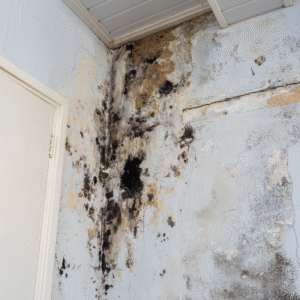
The greenish-black spots that appear on your old furniture or wall are signs of mold growth. Molds have a dirty green color that is prominent when they grow beyond a limit. Sometimes, the mold also turns distinctly black, which must be recognized as active mold growth.
What should you do after detecting the signs of mold growth in your apartment?
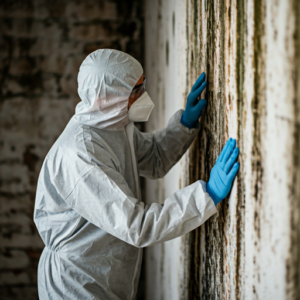
Many people try to remove mold themselves. Although they might clean some areas, DIY removal often misses hidden mold colonies. Furthermore, unprofessional mold remediation may lack effective solutions to prevent the potential harm caused by mold infestation. The immediate step for detecting mold is to call a professional mold remediation company for help.
Even if you are 100% sure there is mold growth, you must call the experts for emergency services. Getting mold remediation services is not an expense but an investment, as it helps protect you, your loved ones, and your property from damage. Furthermore, species like black mold (Stachybotrys) can cause serious health problems, especially in immunocompromised individuals, though deaths are extremely rare in residential settings.
Take immediate steps to save your apartment, and be swift to identify these signs when they appear.