Seven clear signs that you have toxic molds in your indoor property:
Molds tend to creep out their viewers due to their unpleasant appearance. This unpleasant appearance worsens when the mold is toxic. Toxic molds are much more harmful to human health and have long-term repercussions. If you suspect the growth of harmful mold in your surroundings, contact the specialists to reduce the risk of a mold infestation.
Molds belong to the fungal kingdom and are composed of tiny spores.
The release of these spores into the air will negatively impact the quality of the air indoors.
Furthermore, some of these molds are notoriously dangerous, such as Stachybotrys chartarum (S. chartarum). This toxic fungal organism has the power to cause serious health issues, including shortness of breath, allergies, asthma, and, in extreme cases, lung cancer. Black mold is one of the most commonly identified toxic molds, which can have a similar harmful impact on the human body and its surroundings.
How dangerous are toxic molds?
It is often said that molds are not harmful to human health because they naturally occur in the environment. However, this is the half-truth told to the masses. Molds exist in the environment but at a certain standard quantity. A high concentration of molds can adversely affect human health. One of the main concerns is mycotoxicosis — mold poisoning. Mold poisoning occurs when a person is exposed to toxic mold.
Furthermore, constant exposure to mold and mildew can lead to mood swings, headaches, fatigue, and memory loss. Studies have shown that black mold can cause nosebleeds, fatigue, lung disease, and even cancer in extreme cases. Small quantities of mold are generally harmless. However, exposure to toxic and non-toxic molds in high density can lead to health and property concerns.
Seven clear signs that your property has toxic mold:
Molds are microscopic organisms that the human eye cannot detect unless they have grown to a dangerous level. So, how do we find out whether the mold growing on our property is toxic? Given below are seven signs that clearly show that your property has signs of poisonous molds:
- Pungent odor:
The odor is a common sign of toxic mold growth. When present in small quantities, mold does not have a pungent smell. However, harmful molds have a very pungent odor. It must also be understood that non-toxic molds do not have a very pungent odor. These molds will have an earthy smell, similar to that of green algae growth in ponds or aquariums. If you or any other resident identifies a very sharp, pungent odor, call the professionals to clear the mold growth
- Constant respiratory issues:
Toxic molds, like black molds, can cause issues with the respiratory system. The spores produced by these organisms linger in the air. When inhaled, these spores can reach the bronchi. It often results in severe allergies or breathing difficulties. Particularly, asthma patients are affected by molds when they enter their respiratory system. Thus, persistent respiratory concerns mean you need to consult professionals for further investigation.
- Building sickness:
A common phenomenon in offices and buildings is called building sickness. Building sickness can result from multiple causes (poor ventilation, chemicals, pathogens), not just mold. For instance, if an office building experiences a constant influx of sick leave for flu, cough, and fatigue, it may be due to an infectious agent. Molds are the primary culprits behind building sickness and must be treated immediately. Moreover, office productivity can decrease, which must be addressed immediately after the problem is identified.
- Allergic reactions:
Toxic molds can also cause allergic reactions. Rashes, itching, and redness are the most common examples of allergies. Spore inhalation from mold exposure that contributes to this allergic reaction. These allergic reactions can be treated by consulting a healthcare professional. Meanwhile, mold remediation services can assuage the situation for the better.
- Dizziness and headaches:
A common phenomenon observed on mold exposure is constant fatigue and headaches. Mold spores can affect the brain, causing dizziness and fatigue. Many people experience memory loss and lethargy because of consistent exposure to these mycotoxins. So, if you or your fellow residents are experiencing constant lethargy and headaches, you may have mold growing in your indoor space.
- Dark stains:
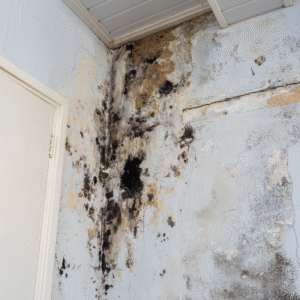
Black mold leaves a dark stain on walls and other surfaces it colonizes. These stains do not disappear even if carefully wiped off. The marks appear to be black, grey, or brown. These stains can completely disfigure your property and make it less appealing. Seeing clusters of mold or black patterns is a clear sign of mold growth in the surroundings.
- Discolored walls:
Do you ever wonder why the wall sometimes appears discolored? Often, it is caused by toxic molds. Molds spread across the surface and leach throughout the entire surface area. This damages the walls’ color and brightness and reduces your property’s value.
Who are the most at risk of these mycotoxins?
Molds pose the greatest risk to infants and children, the elderly with weak immune systems, asthma patients, lung cancer patients, people allergic to spores, and even other people who have been under constant mold exposure. Most people report respiratory discomfort and headaches. Moreover, people also report allergies and breathing issues when constantly exposed to mold. People with weakened immune systems are most likely to get under the influence of mold growth.
Mold Testers 561 provides all-in-one mold remediation solutions for residential and commercial properties. Our company’s thirty years of professional experience speak to our excellent services.