Understanding the differences between mold removal vs remediation:
Table of Contents
Molds and mildew belong to the kingdom of fungi. Mold spores occur naturally in the environment, but an excess can cause severe health and property damage. To avoid the hazardous impacts of mold on your life, immediate action must be taken to prevent mold damage.
Mold grows in dark, damp locations. Mold spores travel through the air into your property. Which should you expect: removal or remediation? Mold removal or mold remediation? Which one of these is the most effective? We will answer all your questions in the article below.
Difference between mold removal and mold remediation:
Mold removal and mold remediation are often used interchangeably; however, they are distinct processes. While “mold removal” may be understood as the total eradication of all mold spores from a premises, the task is complicated by the ubiquity of mold in both indoor and outdoor environments. The total elimination of mold is therefore an unattainable goal. Any entity that claims to reduce mold spores to zero is unrealistic.
Effective mold removal services are practically impossible to attain. This is true because molds exist naturally in indoor and outdoor environments. These infectious agents occur naturally in the environment, and it is impossible to completely eliminate airborne mold spores.
On the contrary, mold remediation means maintaining acceptable mold levels that are safe for occupants. The process cleans existing spores and prevents future growth.
Most companies make false promises and guarantee complete mold-removal services that are practically unattainable. Professional companies focus on reducing mold to safe levels.
Furthermore, each mold situation is unique. Different scenarios demand unique, long-lasting solutions. If mold is damaging the environment, it is always better to consult professional mold remediators to determine the best solution.
What is the mold remediation process?
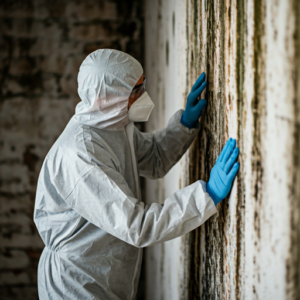
Molds can cause damage on both small and large scales, depending on the severity of the case. No matter how severe the mold impact is, mold remediation follows some basic steps that we follow in all scenarios:
- Consultation:
The first step is to call our toll-free number (561) 886-8241 or email us at admin@moldtesters561.com to schedule a consultation. We will review your problem and promptly book an appointment.
- Inspection Services:
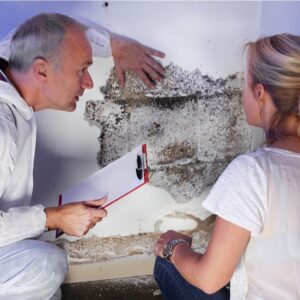
After booking your appointment, we will visit your property immediately. Our team of specialists will carefully inspect for hidden mold and thoroughly analyze the results to identify mold growth.
- Mold Damage Check:
We’ll identify damaged areas. After assessing the mold’s impact, we will determine the potential danger and the required remediation solutions.
- Air Quality Check:
Air quality assessment is the next step in the remediation process. Here, we test the indoor air for elevated concentrations of airborne mold spores.
- Mold Sampling:
Mold sampling is conducted to analyze the type of mold present in the environment. It also helps provide you with information on the potential risks it has posed over the years.
- Mold Remediation:
Finally, mold remediation occurs when mold is removed from the property and levels are restored to normal.
- Taking out mold-infested materials:
The assets damaged by mold are separated for complete mold remediation. It is also essential to protect other assets from damage.
- Mold cleaning of the infested material:
The material has now been cleansed of mold and returned to normal levels.
- Final forensic report:
After a complete analysis of the sample, a report provides a detailed analysis of the mold growth, damage, and potential harm. This report helps the landowner understand the hazardous impact on land, health, and air quality.
- Recommendations and Suggestions:
Our specialists also provide recommendations and suggestions to the clients, preventing future damage.
When do you need mold remediation services?
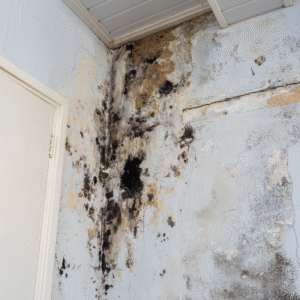
Emergency mold remediation services are needed when mold colonies exceed natural levels. To identify mold and make an immediate call, you must notice signs of active fungal growth. First, mold is present almost everywhere in the surroundings. It can be present indoors and outdoors, showing symptoms in both environments. Second, mold thrives in humid, moisture-filled localities. So, pipe leaks, excessive rain, humidity, and uncleaned areas can become exposed to spore damage.
The first olfactory indicator of excessive mold growth is a pungent, earthy smell. This musty odor is detectable only when mold levels exceed the stated limit. Similarly, if you are purchasing or selling a new place, you must have your property thoroughly inspected for mold growth to prevent potential damage to you and your clients. Unrepaired moisture sources can cause mold damage and need to be addressed immediately.