Surface Mold Testing VS Air Quality Testing for Mold
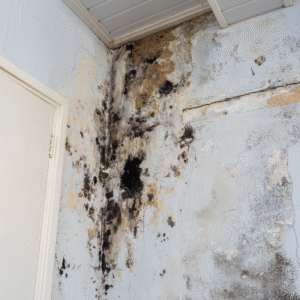
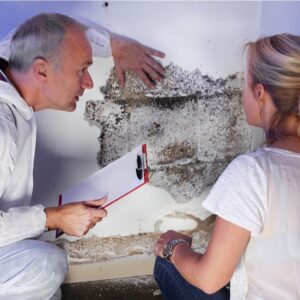
Finding the presence of mold on exposed surfaces can be done successfully with surface mold testing, frequently done using swab or tape-lift techniques. In a swab test, samples from suspected moldy regions are collected using a sterile swab, and the type and concentration of mold are determined by laboratory analysis. Similarly, tape-lift testing entails applying a transparent adhesive tape to a surface that exhibits mold and then sending the tape to a lab for examination. These techniques are beneficial for spotting mold on floors, walls, ceilings, and other surfaces that are easily accessible, as they provide clear evidence of contamination.
Difference between surface mold testing vs air quality testing for mold:
There are two different ways to find and examine the presence of mold indoors: surface mold testing and mold air quality testing. Surface mold testing entails taking direct samples from obviously moldy locations using swabs or tape-lifts. This method works well for pinpointing individual mold colonies on surfaces and provides comprehensive details on the type and quantity of mold present in specific areas. Surface testing makes determining the precise species of mold and the level of surface contamination easier, which is especially helpful for creating targeted remediation programs.
On the other hand, air quality testing provides a more comprehensive picture of the prevalence of mold throughout a facility by sampling the air to find airborne mold spores. Unlike surface sampling, which only assesses visible growth, air quality testing is essential for detecting hidden infestations concealed beneath floors or inside walls. Mold spore concentration in the air is measured by air quality testing, which is crucial for assessing the general quality of indoor air and any possible health concerns to occupants. While air quality testing indicates the total amount of mold spores in the air and helps uncover widespread mold problems and direct extensive treatment operations, surface testing gives detailed information regarding visible mold.
What are the benefits of mold testing?
The main benefit of surface mold testing is its capacity to identify the precise mold type present and individual mold colonies. Since different mold species may need other treatments, having this comprehensive information is essential for creating an efficient remediation plan. Furthermore, surface testing can assist in determining the degree of mold contamination, alerting professionals and homeowners to the seriousness of the problem. By recognizing and treating the problem, you can prevent surface mold from spreading further, safeguard your home’s structural integrity, and ensure its occupants’ health.
Why do I need professional help with mold tests:
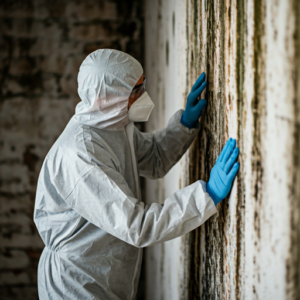
While some property owners rely on basic, over-the-counter DIY testing kits, these rarely provide the accurate, comprehensive data needed to fully map an infestation. Unfortunately, people do not realize that professional mold remediation is needed to ensure mold growth does not reappear. Furthermore, DIY surface treatments like applying bleach may temporarily hide the stain, but they do not address the root cause, identify the mold species, or eliminate airborne spores. Mold Testers 561 has high-end tools and equipment to inspect mold, test it in expert laboratories, and find the best solutions.
What next?
When it comes to mold testing, it’s crucial to rely on professional expertise. Mold Testers 561, with our years of experience in both surface mold testing and air quality testing, is here to provide you with the best solutions for your property. Call us now and rest assured, we’ll be here to help!