How to get rid of mold and mildew in your car?
Table of Contents
If you’re reading this, you likely care about your vehicle. You want to protect your vehicle from mold and fungal infections. Excessive mold levels can cause significant health issues and property damage. Molds cause respiratory problems ranging from mild to severe. Therefore, you should immediately clean your car and remove active mold growth the moment you spot it.
Mold grows in vehicles due to moisture leaks. Moisture creates an ideal environment for mold growth. Similarly, mold grows in humid, dark spaces. Cars are often heated and left dark when not in use, further facilitating mold growth. In severe cases, mold exposure can aggravate asthma or cause persistent coughing. If you experience these symptoms whenever you drive, seek professional help.

Do I have mold in my vehicle?
To determine if your car has mold, look for these common warning signs. While small amounts of mold might go unnoticed initially, as the fungal density increases, the detrimental effects become obvious. First, you might notice an earthy, unpleasant odor in your vehicle. This musty smell indicates active microbial growth.
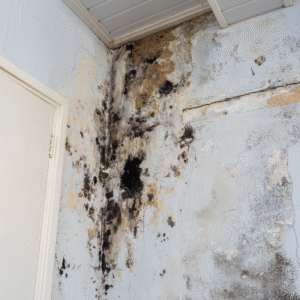
Similarly, molds have a greenish-black color that appears like powdery spores on the walls, windows, air conditioner, etc. Furthermore, you may experience nausea, headaches, rashes, allergies, respiratory issues, or dizziness. All these symptoms indicate the presence of mold or mildew on your vehicle. In some cases, molds can even aggravate asthma or cause nosebleeds. If you experience these symptoms, seek professional help.
Basic mold removal techniques for your vehicle:
While it is always better to seek advice from experienced professionals, there are some basic mold removal techniques that every car owner must know.
1. Car check-ups:
Regular vehicle inspections: If a car is cleaned, monitored, and inspected regularly, the risk of mold growth is lower. This is true because molds thrive in dark, damp spaces. If a car is regularly checked and cleaned, it will be less likely to be affected by any fungal infestation.
2. Consistent cleaning:
Many of us clean our cars once in a while and believe that our job is done. Car cleaning is critical regularly because it allows you to detect ingrown mold or mildew. Regular cleaning may occur at home or under professional cleaners’ supervision. Keeping your car clean can prevent the spread of germs, mycotoxins, or spores in the environment.
3. Scrubbing:
Scrubbing your car interior is an essential step to prevent mold accumulation. Use slightly damp (not soaking wet) cloths for cleaning. Because excess moisture can promote mold, always dry the surfaces thoroughly immediately after cleaning.
4. Vacuuming:
While we all vacuum our rooms, many people don’t think to vacuum their cars. Vacuuming removes dirt particles and mold spores. Mold spores are propelled into the air, where they can grow. Thorough vacuuming removes dirt particles and settled mold spores from the upholstery and carpets before they can circulate in the cabin air.
5. Repairing damage:
If there is a problem with the machinery or moisture leakage, repair moisture leaks immediately. Moisture is the primary factor for facilitating mold growth and can cause health damage.
6. Let the air pass:
One of the basic steps is to ventilate your car regularly. The car may have trapped heat and moisture that promotes mold growth. This trapped air may contain a high density of mold spores; ventilate your car regularly by rolling down the windows to exchange the stagnant air.
7. Prevent rain seepage:
Water from rain or cleaning can accumulate in cars. This water can again facilitate mold development. Ensure all doors and windows seal properly. Store your car in a dry location.
8. Use a dehumidifier:
As stated earlier, Humidity is the primary driver of mold growth. Using a portable car dehumidifier or moisture-absorbing packets can help eliminate trapped dampness inside the cabin.
While all these steps can help you prevent or remove minor mold from your vehicle, professional remediation is required for severe infestations. Professional remediation prevents extensive property damage and future health costs.