What humidity encourages mold growth?
Table of Contents
Simple Answer: According to Mold Testers 561, humidity levels above 55% to 60% can lead to mold growth. Humidity above 70% (with water or moisture) can cause visible mold within 24 hours. Similarly, if your building material is saturated (20% or more), mold can grow on your property.
Mold can grow anywhere that has high levels of humidity. It is a natural process, but it can also indicate other problems in your home. Mold spores are everywhere, and the only way to avoid them is to eliminate all indoor moisture sources. Keep in mind that Humidity levels directly affect mold growth rate.
This article will explain exactly what humidity encourages mold growth?, how you can tell if you have an issue, and what solutions there are for getting rid of mold forever!
Relative Humidity and Mold on Cold Surfaces
When humid air contacts cold surfaces, condensation forms, promoting mold growth. For example, if you have been away from your home for a few days, mold might be present when you return. It can form when air conditioning units create condensation on cold surfaces.
To avoid this, you can keep the cold surfaces dry by using a dehumidifier. You should also make sure that your home is well-insulated and has proper ventilation to balance the humidity levels.
What Humidity Does Mold Grow?
Mold can grow when humidity is above 55% to 60%. Mold can develop within 24 to 48 hours at 70%+ humidity when moisture is present. High humidity causes condensation. When humid air comes into contact with a cold surface, it can produce moisture or condensation.
Mold often forms in bathrooms and basements due to high humidity from showers, baths, sinks and toilets.
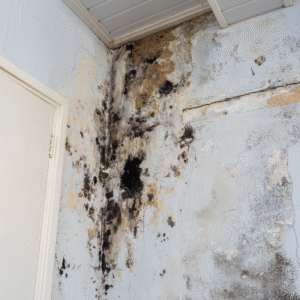
If you find mold on your ceiling or walls, you need to realize that humidity levels in your home are incredibly high, and the mold will most likely continue growing.
The average humidity level in Boca Raton is 72%. This high humidity can cause many problems for people with allergies and asthma and creates an environment perfect for mold growth. So, for mold inspection in Boca Raton, you can contact us anytime!
At What Humidity Level Does Black Mold Start to Grow?
Black mold, also known as Stachybotrys chartarum, is a toxic mold that can begin to grow at humidity levels above 60%. Black mold requires moisture and grows on water-damaged materials.
Black mold produces mycotoxins, which are poisonous compounds. Exposure to them can cause several health problems, including severe respiratory issues, allergies, and asthma. Severe health effects are rare but possible in immunocompromised individuals.
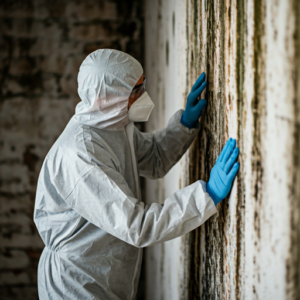
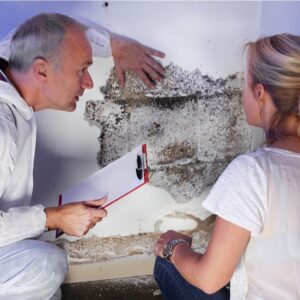
If you think that you may have black mold in your home, it is best to get it tested by a professional. You can also test the humidity levels in your home with a hygrometer to see if they are too high.
How do you tell if you have an issue?
The best way to determine whether or not you have a mold issue is to perform a visual inspection. Look for black, green, or brown patches on walls, ceilings, floors, and furniture. If you see any of these colors, you likely have a mold problem.
You can also use a hygrometer to measure the humidity levels in your home. This device will give you an accurate reading of the relative humidity.
What Can You Do to Reduce the Humidity in Your Home?
There are a few things that you can do to reduce the humidity levels in your home and help prevent mold growth:
- Use a dehumidifier to remove moisture from the air.
- Make sure that all of your appliances and fixtures are adequately vented.
- Fix any leaks or water damage that may be present.
- Keep your home clean and uncluttered to reduce humidity.
- Open windows and doors to allow air to circulate.
Conclusion
Hopefully, this article has given you a better understanding of the humidity level at which mold grows. There are some simple steps you can take to reduce moisture in your home and prevent black mold from growing. Moreover, if you are looking for professional mold testers, Moldtesters561 is here to help. Give us a call today!
FAQs
 Q: Will mold grow at 55% humidity?
A: Yes, mold grows more slowly at 55%, but it still spreads gradually. The higher the humidity, the faster mold will grow.
Q: Can I use a humidifier to prevent mold growth?
A: You can use a dehumidifier to help control the humidity levels in your home, but you cannot rely on it to stop growth if you have an active water leak. The best way to ensure that you have a mold-free home is to eliminate the humidity source, which means properly ventilating your showers, baths, and repairing any leaky sinks or toilets.
Q: What humidity level kills mold?
A: Simply lowering the humidity will not kill existing mold; it will only force the mold into a dormant state and stop it from spreading. To prevent mold from growing in the first place, keep indoor humidity levels under 50%.
Q: Does high humidity cause black mold?
A: High humidity can lead to condensation and an increased risk of moisture damage, which elevates the risk of mold. The presence of black mold is not indicative of high humidity, but it can signify that you have a sustained, severe moisture problem.
Q: How do I get rid of the mold if the source of humidity is still present?
A: If the source of humidity cannot be eliminated immediately, you will need to treat the areas where mold has already developed to slow the spread. You can use a commercial mold killer or a household cleaner. To slow the spread. You can also hire professional mold testers to get rid of mold permanently.